
“140 years. Four generations. And in Jaipur, the waves are still being made by hand.”
We met Mohammad Sabir Neelghar, whose family has carried the craft of Leheriya through nearly 140 years and four generations.
Standing beside the fabric, watching his hands work, it becomes clear that Leheriya is not simply a way of colouring cloth.
It is a process of tying, waiting, colouring and finally revealing what was hidden inside the fabric.
Where The Waves Begin
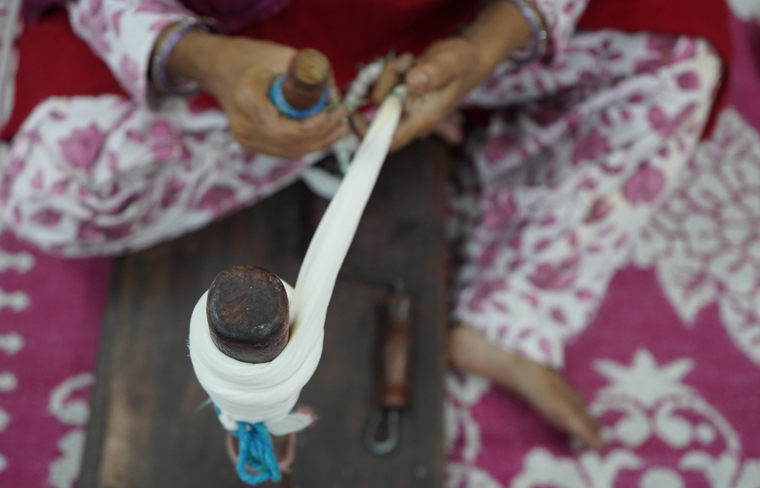
Before there are waves of colour, there is only a plain piece of cloth.
The first step is to create folds in the fabric.
The cloth is carefully gathered and twisted, preparing it for the tying that will eventually create Leheriya's distinctive movement.
The Art Of Binding
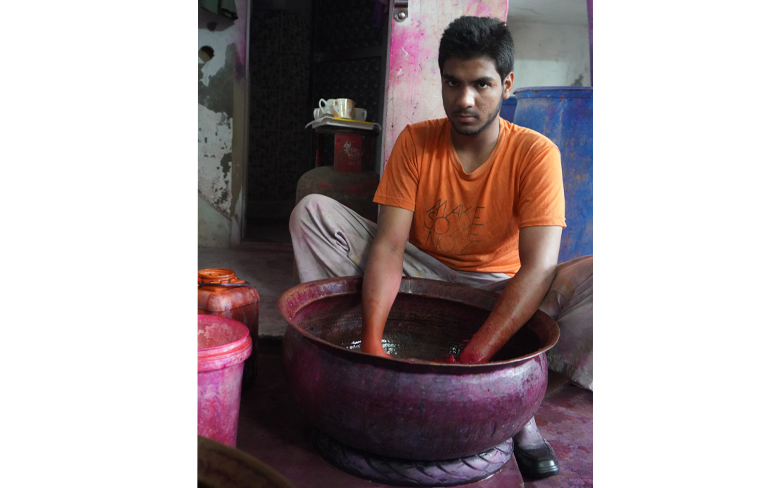
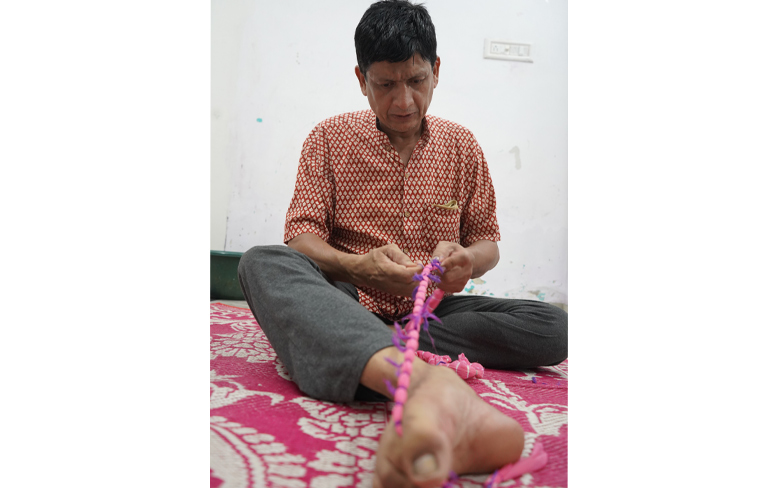
Then comes the binding.
The fabric is tied carefully, section by section.
These knots will decide where the colour can travel — and where it cannot.
It is difficult to imagine the final pattern while looking at a tightly bound piece of cloth.
For now, the waves are still hidden.
Preparing The Cloth
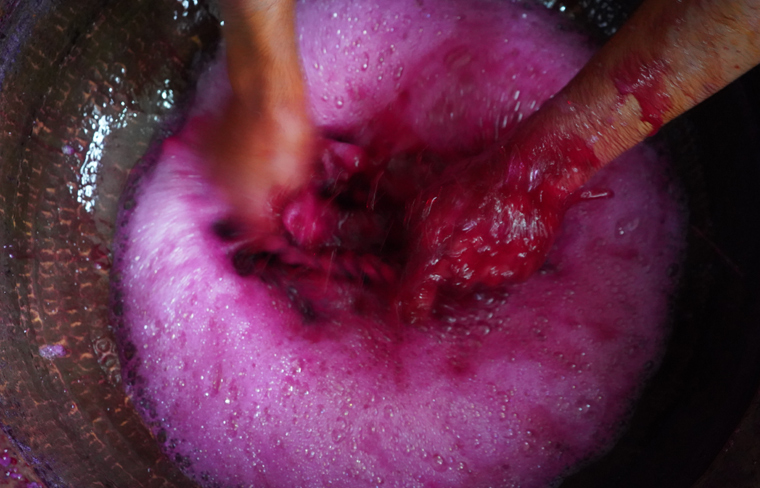
Once the binding is complete, the fabric is washed.
It is prepared carefully for the next stage — dyeing.
Everything has to be ready before the colour enters the story.
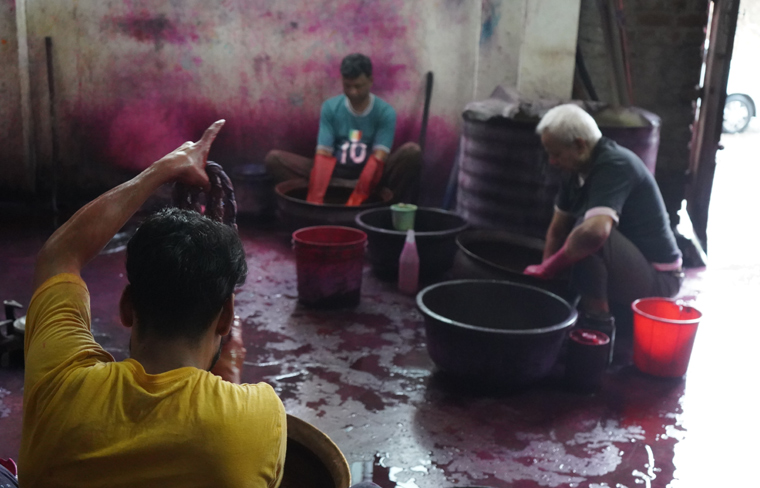
When Colour Arrives
And then comes the most beautiful part.
Colour.
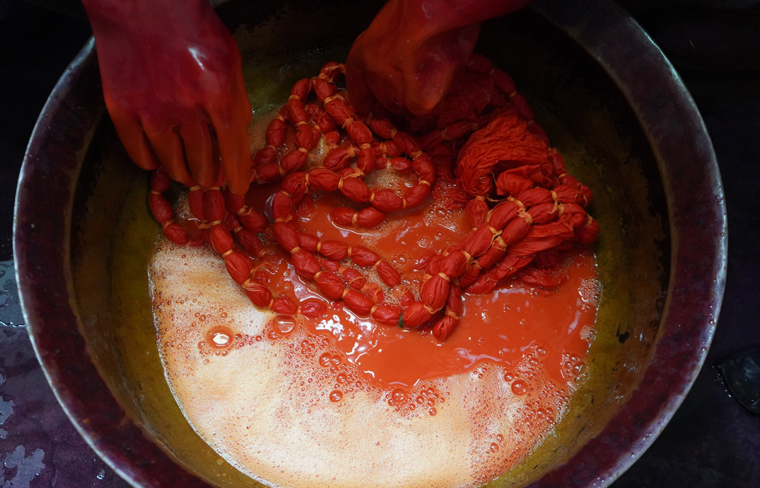
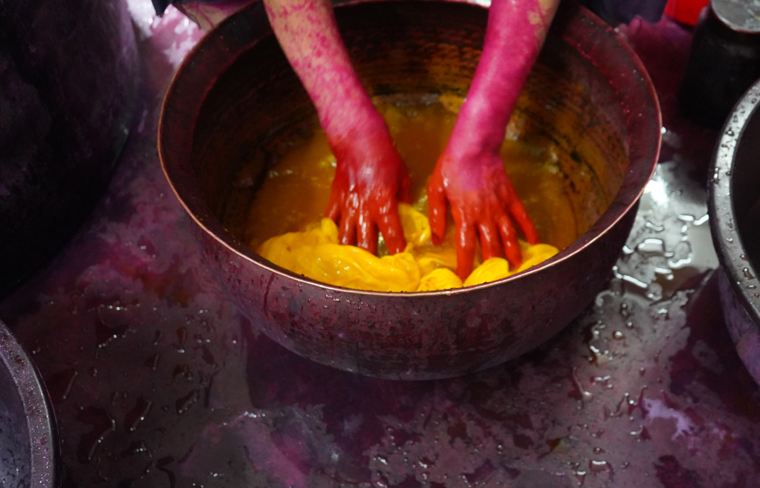
The tied fabric enters the dye, and slowly, the colour begins to travel through the cloth.
But the knots hold parts of the fabric back.
The colour cannot reach everywhere.
And that is where the magic begins.
The Colour Settles
After dyeing, the fabric is washed again.
The excess colour flows away.
What remains is the colour that has become part of the cloth.
But the final Leheriya pattern is still waiting to be revealed.
Under The Jaipur Sun
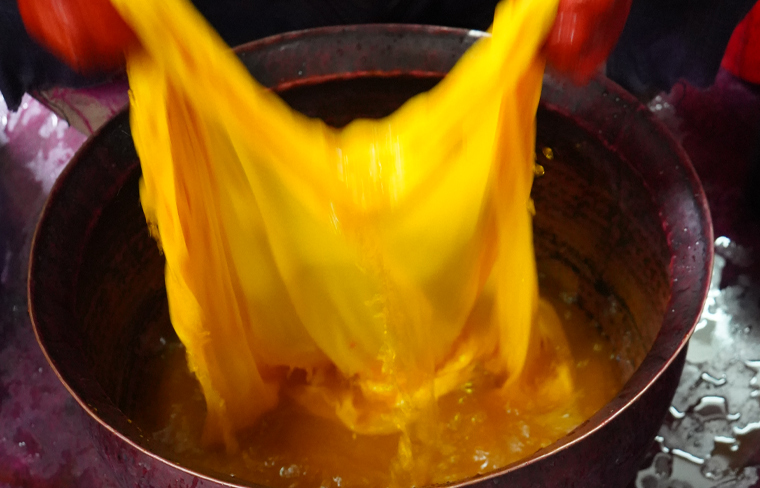
The fabric is then laid out to dry.
Under the Jaipur sun, the colours begin to settle.
From a distance, it may simply look like a long piece of colourful cloth.
But hidden inside are hundreds of carefully placed folds and bindings.
The pattern is still waiting.
The Moment Of Reveal
And now comes the moment we had been waiting for.
The bindings begin to open.
One knot.
Then another.
Slowly, the fabric begins to unfold.
The lines that were hidden inside the folds start appearing.
The waves emerge.
When The Waves Appear
There is something almost magical about this moment.
What looked like an ordinary, tightly bound piece of fabric is suddenly transformed.
The colours move across the cloth like waves.
Every line is a result of something that happened earlier — every fold, every knot, every dip in the dye.
Nothing is accidental.
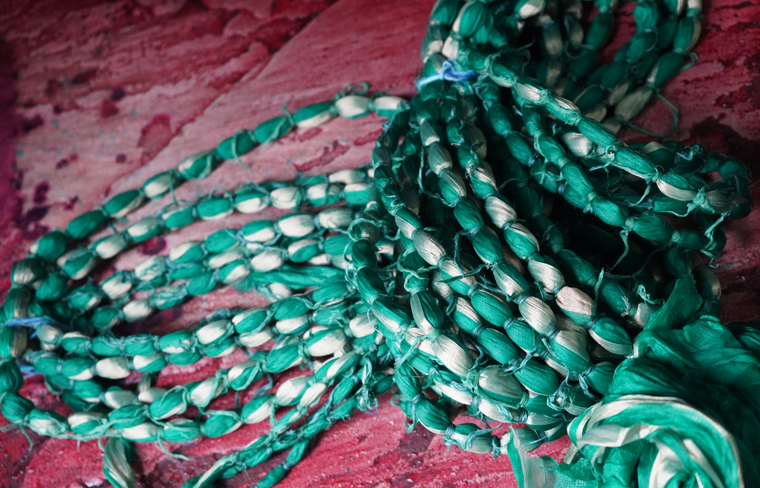
Four Generations
For Mohammad Sabir Neelghar this is more than a technique.
It is family knowledge.
Nearly 140 years and four generations have carried this craft forward.
What he knows today was not learned from a book.
It was watched.
Practised.
Repeated.
And eventually passed on.
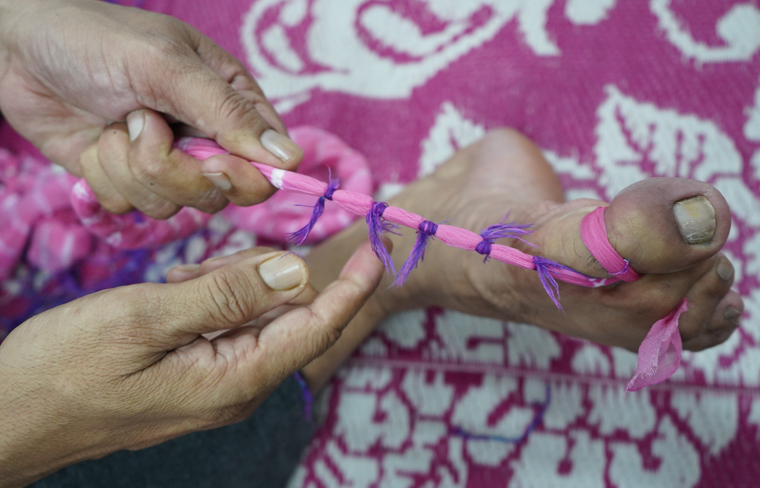
Two Days Of Work
It takes around two days for this journey to unfold.
Two days of folding.
Binding.
Washing.
Dyeing.
Washing again.
Drying.
And finally, untying.
At the end, what remains is not simply coloured fabric.
It is the result of patience repeated over generations.
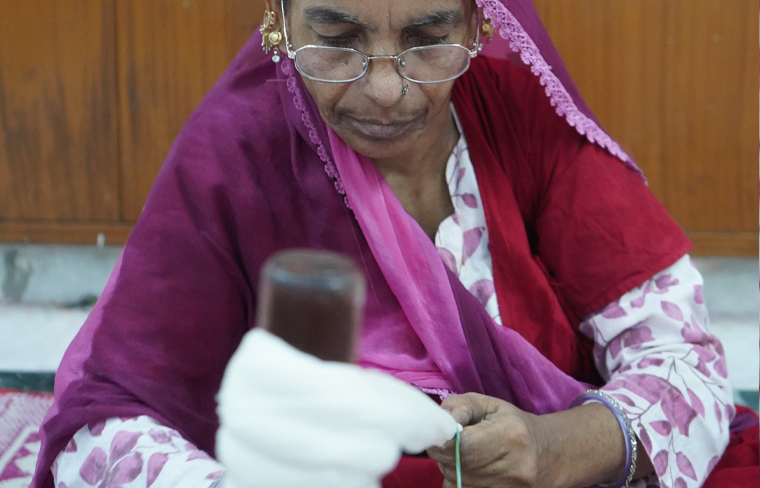
The Identity Of Leheriya
Leheriya is often remembered for its colourful waves.
But those waves are only the final chapter.
Behind every line is a fold.
Behind every fold is a knot.
And behind every knot is a pair of hands that knows exactly where it needs to be placed.
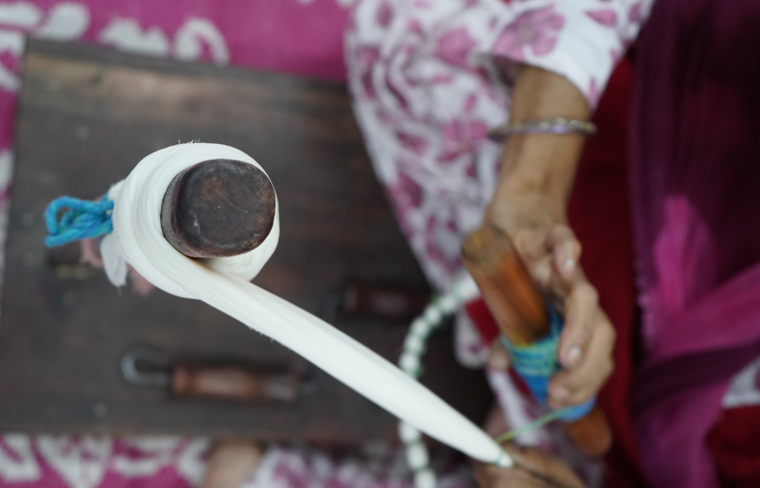
The Last Wave
We came looking for the story of Leheriya.
We found a story about time.
140 years.
Four generations.
Two days of work.
Countless knots.
And a craft that continues to create waves in Jaipur — one piece of fabric at a time.
Stories of Indian Cities
Because heritage is not preserved by buildings alone.
It survives through the people who continue to make it.
Jaipur, Rajasthan
Craft: Leheriya
Artisan: Mohammad Sadiq Neliga
Heritage: Approximately 140 years, four generations
Photographs & Story: Stories of Indian Cities / Cartist

